fastreader@pm.me
-
How to Password Protect a URL (What Actually Works)
A URL can’t hold a password on its own. Here’s what actually gates a link — HTML, server auth, one-time links, or a shortener built for it.
-

URL Shortener Link Guide: How It Works, Free vs. Owned
Learn how a URL shortener link works, how to shorten one free in seconds, and why owning your links beats renting them long-term.
-
URL Password Protected: What It Means and How to Do It Right
Learn what “URL password protected” really means, the three ways it’s built, and how to open, remove, or set one up correctly.
-
Sites Like Bitly: 10 Alternatives Worth Your Time in 2026
Compare the best sites like Bitly for 2026, including TinyURL, free tools, and self-hosted options—plus which one actually fits your use case.
-

Styled QR Codes: How to Style Without Breaking the Scan
How styled QR codes work, how much customization a scanner tolerates, and how to display one so people actually scan it.
-
URL Shortener Custom Domain: Access vs. Real Ownership
Learn what “custom domain support” really means in a URL shortener, how CNAME setup works, and why ownership beats a monthly add-on fee.
-
Password Protect a Link in HTML: What Actually Works
Learn how to password protect a link in HTML with code examples, see why client-side checks fail, and find the server-side fix that holds up.
-
Shorten a URL With Your Own Domain: The Real Options
Learn the real ways to shorten a URL with your own domain, why Google’s shortener died, and which option actually keeps you in control.
-
Open Source Link Shortener: The Real Trade-Offs, Compared
Compare the real open source link shorteners, their licenses, and hidden hosting costs — then decide if self-hosting is actually worth it.
-
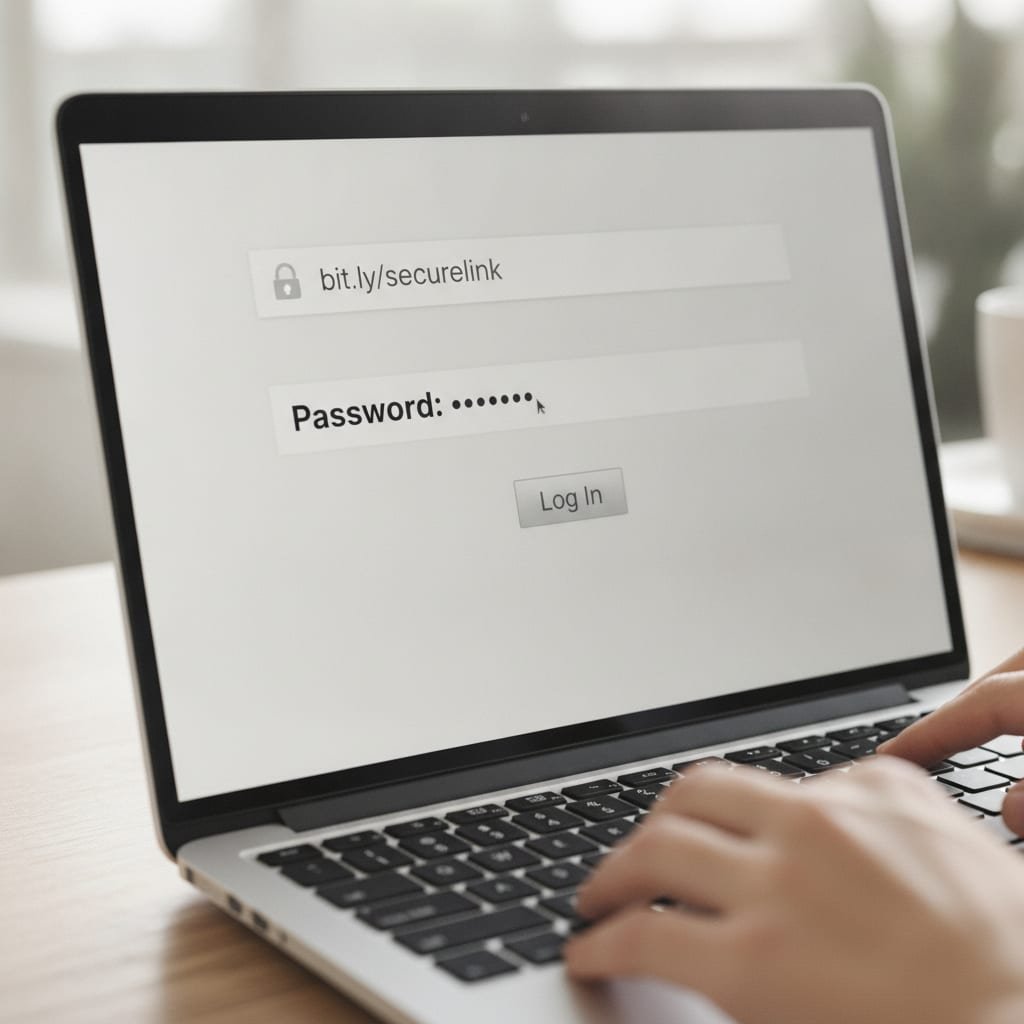
Password Protected Links: What They Lock and How to Build One
Password protected links explained: how to make one, open one, spot free tools that cut corners, and why the padlock icon never meant what you thought.